
Fundraising Advice from Founders
This week we are bringing you data on startup compensation, “normal” burn rates”, and fundraising advice from eight unicorn CEOs.

Well, that went fast—we are nearly to August! Hope you’re planning to make the most of the end of summer.
👩💻 State of Startup Compensation, H1 2024
Carta released a new report on startup hiring and compensation based on data from the first four months of 2024. The total headcount across venture-backed companies has remained consistent; there wasn’t a net increase or decrease in roles with ~60K new hires and ~60K departures. Salary and equity packages remained constant, but employees in certain cities, such as Atlanta and D.C., are seeing pay inching closer to Bay Area rates.
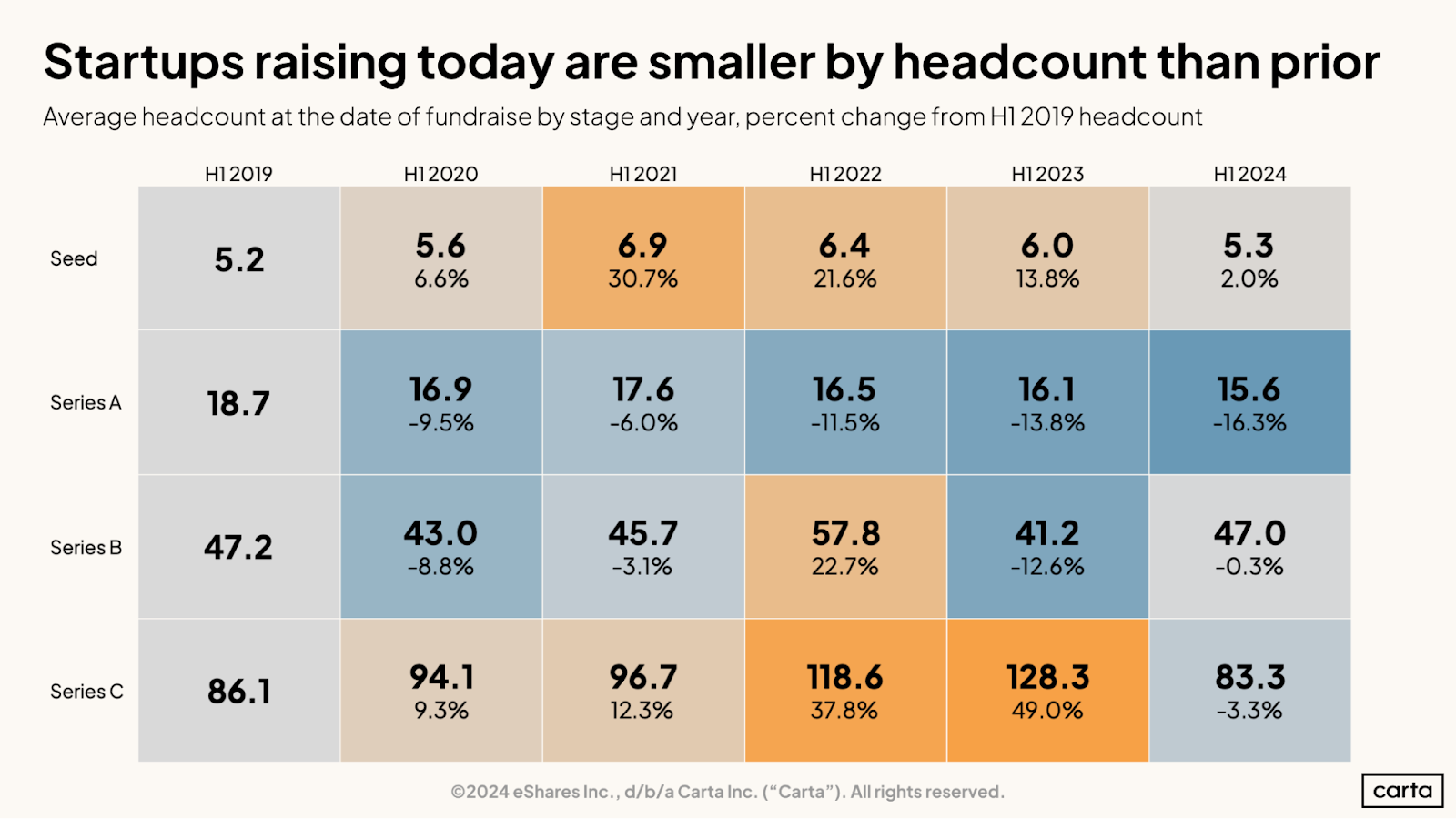
STV Take: Like many other things in venture, headcount at venture-backed companies is reverting to pre-COVID norms. Despite the median amount raised at Seed increasing in 1H 2024 compared to 1H 2020, the headcounts at companies have slightly shrunk. This supports the notion that Seed-stage companies are raising more to increase their runway and improve the odds they’ll find product-market fit before having to raise their next round.
The other thing I’m curious about: There has been a lot of talk about AI impacting headcounts, especially at startups, and I wonder if that is showing up in the data at all? It feels like we might be too early to see AI have a material impact, but I’m wondering what things folks have been experimenting with over the last year to supplement their workforce that might be sticking.
🤔 The Growth vs. Profitability Conundrum
Kyle Poyar, who authors Growth Unhinged, released an article discussing burn rates that includes data from public and private companies. Unsurprisingly, the optimal burn rate depends on a company’s size and growth rate—the slower the growth rate, the less burn a company should have. In the data set, 50% of companies with growth rates less than 20% year-over-year were profitable or breakeven; however, for high-growth companies (growth rates >50%), only 10% were breakeven or profitable.
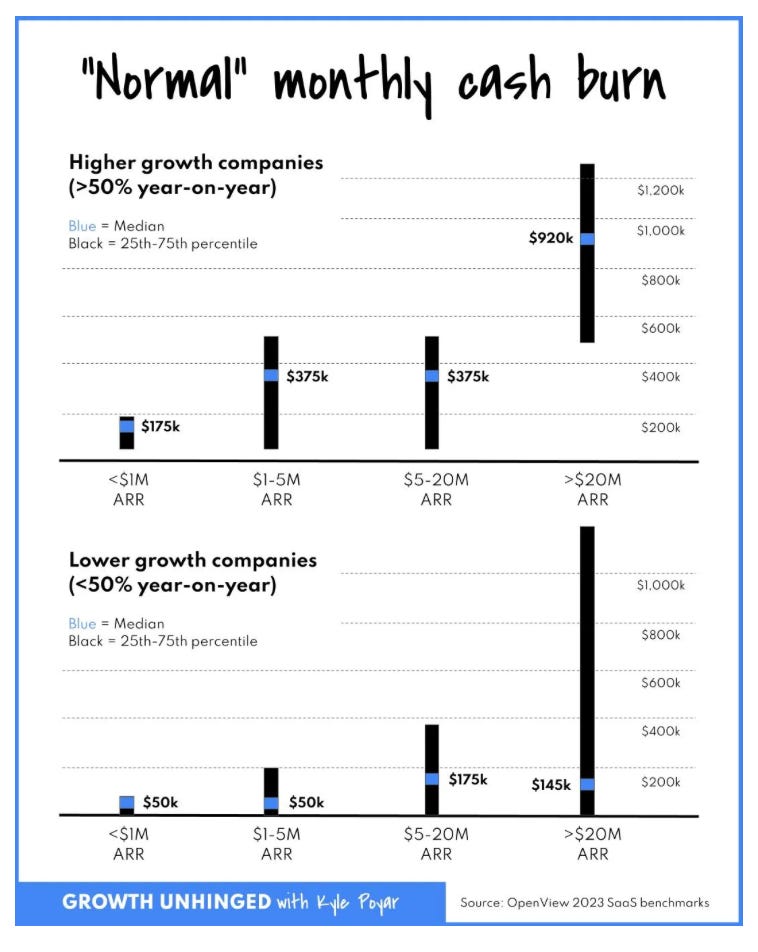
STV Take: As the article discusses, there is a tradeoff between burn and growth and the “right” burn rate for one company will be different than another’s. The key takeaway is that it needs to be optimized. At some point, companies reach a diminishing level of return. Plus, it’s just not realistic to spend hundreds of thousands of dollars in the early days.
While burn is healthy for early-stage companies, at some point, it might not be. This article does a great job of articulating when it could make sense to start to throttle down burn in an effort to control the company’s own destiny and get to breakeven. Realizing this sooner rather than later can save a ton of headache and lots of time that might be wasted trying to raise venture capital when the reality is that type of capital might not be right for the business.
🗺️ A Guide to Optimizing Financial Performance
AVL Growth Partners released a new guide that highlights the key three financial drivers of a startup, along with recommendations to help founders avoid common financial modeling pitfalls and the best way to project business growth. A few of the common mistakes AVL Growth discusses in this guide include:
Overestimating attainable revenue.
Misunderstanding how quickly revenue can grow related to COGs.
Underestimating customer acquisition cost.
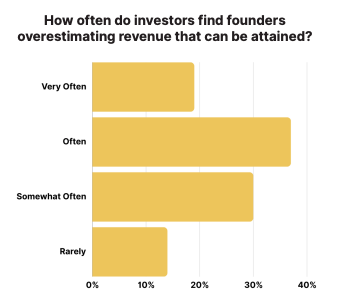
STV Take: Investors understand that a company’s revenue expectations and growth projections presented in a pro forma are educated guesses at best and shots in the dark at worst. Investors can sniff out the latter. While uncertainty is inevitable with early revenue growth, there are techniques and best practices founders can use to generate a solid understanding of their cost drivers and present realistic expectations for potential revenue growth. AVL Growth’s latest guide offers valuable tips to help founders craft the best version of their pro forma. (Sponsored)
🔍 The Founder’s Guide to Optimizing Your Fundraise
Mario Gabrielle at The Generalist collected fundraising advice from eight unicorn CEOs, highlighting five key lessons:
Don’t limit investor conversations only to times when you’re actively fundraising.
Commit to fundraising.
Raise on metrics or a strong narrative but pick one.
Focus the fundraise on finding the right investors.
There will be lots of rejection, but you only need a few to say “yes”.
“Scarcity and demand are important to driving an oversubscribed process to completion, but those rounds don’t become high demand because the founder has created the illusion of high demand.”
— Trae Stephens, Executive Chairman and Co-founder at Anduril
STV Take: This article has a ton of great wisdom and insights from entrepreneurs who have built great businesses and are remarkable fundraisers. A consistent theme across much of the advice is that fundraising IS part of building the business and treating it as an enemy of moving the company forward can be detrimental. Many of the CEOs stressed the importance of keeping the relationship warm with investors and taking meetings even when there wasn’t an imminent fundraise. Doing so enables founders to get to know investors and decide which ones would be beneficial to have in the next round. Plus, when it does come time to fundraise, investors will know the founder and how they operate, providing some level of derisking that can set founders apart during diligence.